
The Val di Noto, a sun-drenched expanse in southeastern Sicily, presents a mesmerising collection of baroque splendour that emerged from the ashes of catastrophe. Following the devastating earthquake of 1693, eight towns were meticulously rebuilt in a unified baroque style, transforming tragedy into an architectural triumph that earned them collective recognition as UNESCO World Heritage Sites. These settlements serve not only as living museums of late baroque artistry but also as ideal bases for discovering the broader wonders of Sicily, combining cultural immersion with strategic access to some of the island's finest landscapes and historical treasures.
Noto and Modica: The Crown Jewels of Sicilian Baroque
Noto's magnificent golden stone architecture and unesco heritage
Among the Val di Noto's baroque towns, Noto stands as perhaps the most celebrated example of post-earthquake reconstruction, rebuilt on two distinct levels that showcase the ambition and vision of its 18th-century architects. The town's golden limestone facades glow warmly under the Sicilian sun, creating an almost ethereal atmosphere as visitors wander along its elegant streets. The Palazzo Ducezio anchors the civic heart of Noto, its harmonious proportions and ornate detailing exemplifying the baroque aesthetic that defines the entire settlement. Nearby, the Noto Cathedral rises majestically, its imposing facade a testament to the ecclesiastical power and artistic ambition that drove the reconstruction effort. The careful urban planning evident throughout Noto demonstrates how the town was conceived as a cohesive whole rather than a haphazard collection of buildings, with wide boulevards and carefully orchestrated sightlines that enhance the dramatic impact of its baroque monuments. Walking through Noto at sunset, when the stone seems to emit its own warm light, visitors experience one of Sicily's most enchanting urban landscapes.
Modica's enchanting churches and renowned chocolate tradition
Modica presents a different aspect of baroque brilliance, its dramatic hillside setting adding vertical dimension to the architectural splendour found throughout the Val di Noto. The town cascades down steep slopes, its churches and palaces seemingly stacked upon one another in a captivating display of urban density and baroque ornamentation. Beyond its architectural merits, Modica has gained international recognition for its unique chocolate making tradition, which dates back centuries and employs techniques distinct from conventional chocolate production. The grainy texture and pure flavours of Modica's chocolate have become synonymous with the town itself, offering visitors a sensory experience that complements the visual feast provided by its baroque monuments. The impressive churches that punctuate Modica's townscape serve as focal points for both religious devotion and architectural appreciation, their elaborate facades and richly decorated interiors reflecting the wealth and ambition of the community that rebuilt them. The combination of architectural heritage and culinary tradition makes Modica an essential destination for anyone exploring the baroque towns of southeastern Sicily.
Ragusa Ibla and Scicli: Hidden Gems of the Val di Noto
Wandering through ragusa's enchanting labyrinth of baroque splendour
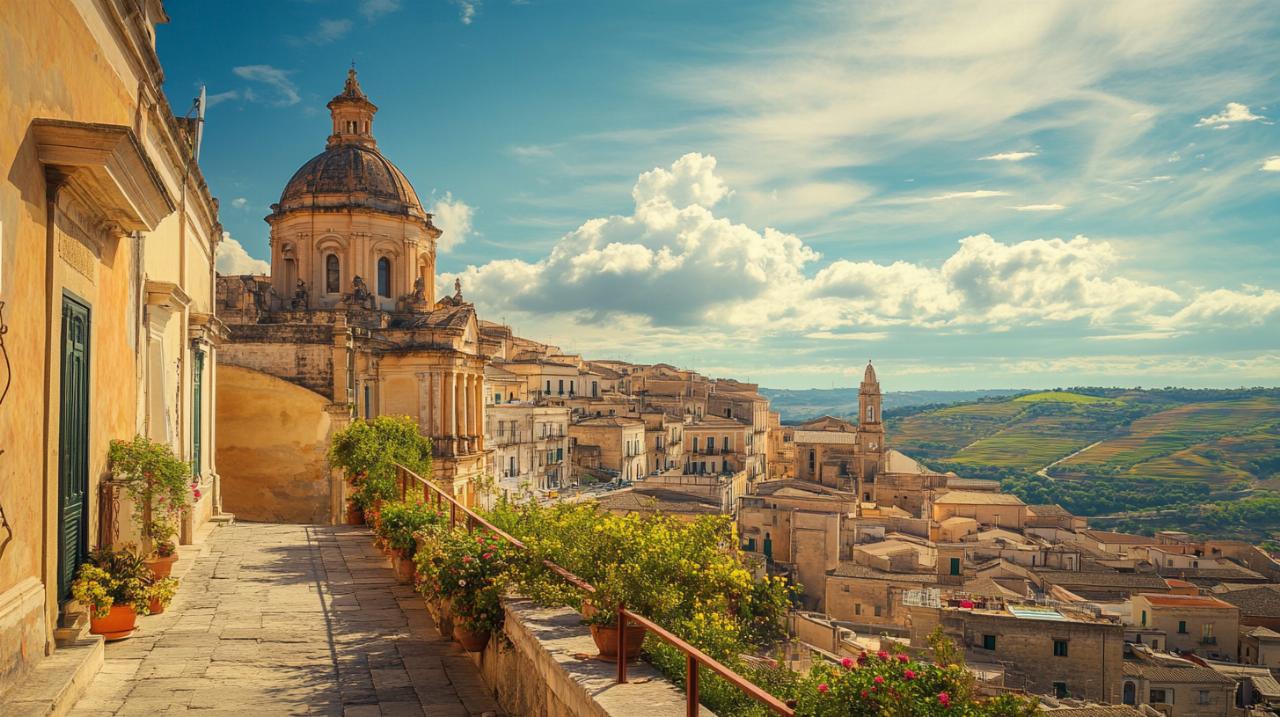
Ragusa Ibla represents perhaps the most concentrated expression of baroque architecture within the Val di Noto, with more than fifty baroque churches compressed into a relatively compact historic centre that rewards patient exploration. The labyrinthine streets of Ibla wind between honey-coloured stone buildings, opening unexpectedly onto charming plazas that provide both respite and revelation. The Cathedral of San Giorgio dominates the townscape, its magnificent facade rising above the surrounding buildings and serving as the architectural and spiritual centrepiece of Ragusa Ibla. The church exemplifies the theatrical qualities of baroque design, with its elaborate sculptural programme and soaring dome designed to inspire awe and devotion in equal measure. Beyond the cathedral, countless smaller churches and noble palaces contribute to the cumulative impact of Ragusa Ibla, creating an urban environment where baroque splendour is not confined to a handful of monuments but rather permeates the entire fabric of the town. The atmospheric quality of Ibla, particularly in the early morning or late evening when tourist crowds thin, offers an almost intimate encounter with baroque architecture at its finest.
Scicli's historic centre: a film set come to life
Scicli occupies a unique position among the baroque towns of the Val di Noto, having achieved additional fame as a principal filming location for the beloved Italian television series Il Commissario Montalbano. The town's historic centre offers a delightful blend of baroque architecture and cinematic association, allowing visitors to simultaneously appreciate authentic historical heritage and recognise familiar locations from the popular detective series. The natural setting of Scicli enhances its appeal, with the town nestled among three valleys that create a dramatic backdrop for its baroque monuments. The harmonious integration of architecture and landscape distinguishes Scicli from some of the other baroque towns, where urban density sometimes obscures the natural environment. Walking through Scicli's streets, visitors encounter a quieter, perhaps more contemplative atmosphere than in the better-known destinations of Noto or Modica, yet the quality of the baroque architecture remains consistently impressive. The town's dual identity as both heritage site and film location has helped preserve its historic centre while generating the economic activity necessary to maintain these precious buildings for future generations.
Caltagirone to catania: discovering eastern sicily's baroque treasures
Caltagirone's Ceramic Artistry and the Famous Staircase of Santa Maria del Monte
Caltagirone distinguishes itself among the baroque towns through its exceptional ceramic tradition, which has flourished in this hillside settlement for centuries and continues to define its cultural identity. The Museo regionale della ceramica di Caltagirone houses an extraordinary collection that traces the evolution of local ceramic production, demonstrating both continuity and innovation across generations of artisans. However, the most spectacular expression of Caltagirone's ceramic heritage appears in the monumental staircase leading to the church of Santa Maria del Monte, where each of the 142 steps features unique decorative tiles that create a stunning visual progression. This extraordinary staircase functions simultaneously as public thoroughfare, artistic installation, and pilgrimage route, embodying the baroque sensibility that refused to distinguish between functional and aesthetic considerations. Beyond the famous staircase, Caltagirone's historic centre rewards exploration with numerous baroque churches and palaces that demonstrate the prosperity and artistic ambition of this ceramic-producing community. The continued vitality of traditional ceramic production in Caltagirone ensures that the town remains a living cultural centre rather than simply a preserved museum piece.
Catania's vibrant markets and majestic cathedral square
Catania offers a distinctly urban experience of baroque architecture, with the Piazza del Duomo presenting one of Sicily's most impressive civic spaces. The Palazzo degli Elefanti anchors one side of the square, its elegant facade providing a counterpoint to the cathedral that gives the piazza its name. The Fontana del Amenano adds another layer of baroque theatricality to the ensemble, its rushing waters creating both visual and auditory drama in the heart of the city. Beyond the cathedral square, the Via dei Crociferi showcases an extraordinary concentration of baroque churches and conventual buildings, creating an atmospheric streetscape that transports visitors to the 18th century despite the modern city that surrounds it. Catania's baroque heritage exists within the context of a vibrant contemporary city, where bustling markets and animated street life provide a vivid contrast to the more tranquil atmosphere of smaller baroque towns. This dynamic quality makes Catania an excellent base for exploring the broader Val di Noto region, offering extensive accommodation options and transport connections alongside its own considerable architectural attractions. The remaining baroque towns, including Militello in Val di Catania, considered one of Sicily's most beautiful villages, and Palazzolo Acreide, with its fascinating blend of Greek origins and medieval development anchored by the Church of San Sebastiano and Basilica of San Paolo, complete this extraordinary ensemble of UNESCO-protected settlements that collectively demonstrate the resilience and creativity of Sicilian culture.