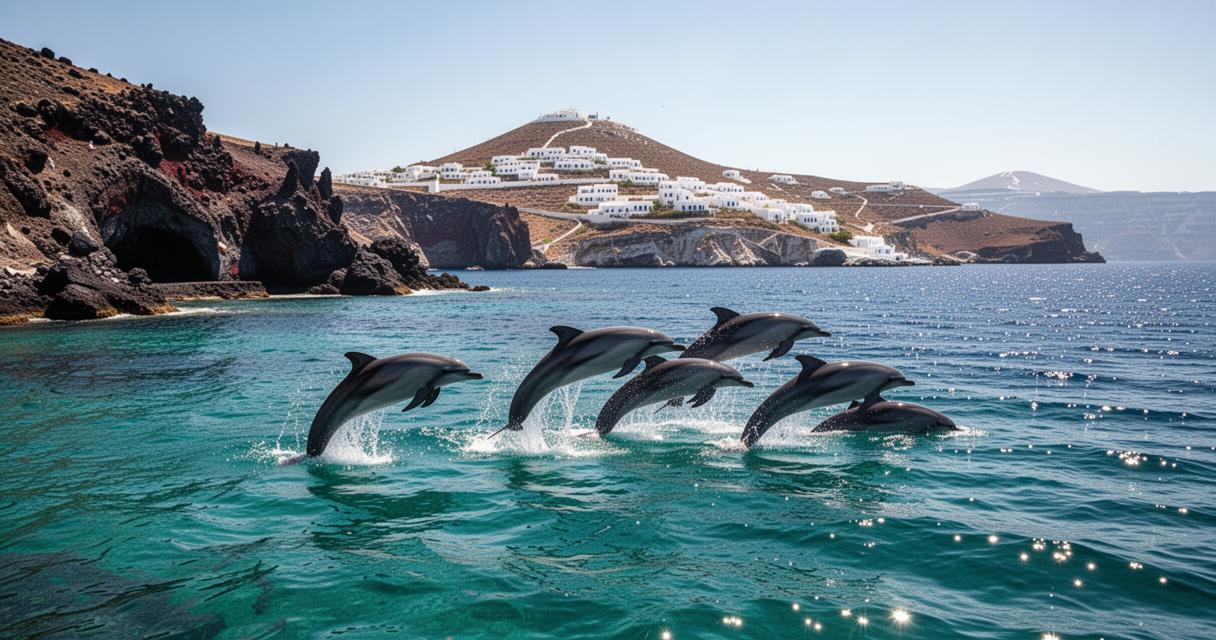

Few holiday moments compare to the thrill of spotting a dolphin fin slicing through the sparkling waters of the Aegean Sea. If you’re planning a summer escape to Greece, July offers a wonderful window to combine sun-soaked island hopping with genuine wildlife encounters. The Cyclades, that scattering of sugar-cube villages and volcanic cliffs, sits within a marine environment far richer than most visitors realise, and with a bit of planning, watching dolphins glide alongside a boat becomes an entirely achievable part of your itinerary.
The essentials
- July is an excellent time for dolphin watching in the Cyclades due to the calm sea conditions and extended daylight hours.
- The Aegean Sea around the Cyclades supports a diverse marine ecosystem, frequently hosting bottlenose and striped dolphins.
- Santorini, Mykonos, Naxos, and Paros are considered the most reliable locations for spotting dolphin pods in their natural habitat.
- Professional boat tours offer structured excursions that include educational briefings on dolphin behavior and additional activities like snorkeling.
- Dolphin spotting excursions can be easily combined with visits to historical sites like Delos and relaxing days on the region’s famous beaches.
- Travelers are advised to plan excursions during the morning or late afternoon to maximize the chances of sightings when the water is calmest.
Dolphin Watching Opportunities in the Cyclades During July
Understanding Dolphin Behaviour and Habitat in the Aegean Sea
The waters surrounding the Cyclades form part of a broader marine region sometimes referred to as the Cyclades Ocean Observatory, a stretch of the Aegean Sea southeast of mainland Greece renowned for its striking marine biodiversity. Beneath the surface live more than two hundred fish species, including Red Mullet, Black Scorpion Fish, Grouper, Greater Amberjack, Common Sole, European Barracuda and Parrotfish, alongside loggerhead sea turtles that typically grow to around ninety centimetres and weigh roughly one hundred and thirty five kilograms. It’s a genuinely thriving ecosystem, and dolphins are very much part of it. Both bottlenose dolphins, which can grow anywhere from just under two metres to four metres long, and striped dolphins, capable of reaching two and a half metres and weighing up to one hundred and seventy kilograms, are regularly seen moving through these waters. Sperm whales and the critically endangered Mediterranean monk seal, which can weigh as much as three hundred kilograms, also call this stretch of sea home, though sightings of these larger creatures are naturally rarer. Understanding this rich underwater world helps explain why dolphin encounters in the region feel less like luck and more like a genuine possibility.
Best Times and Conditions for Spotting Dolphins in Summer
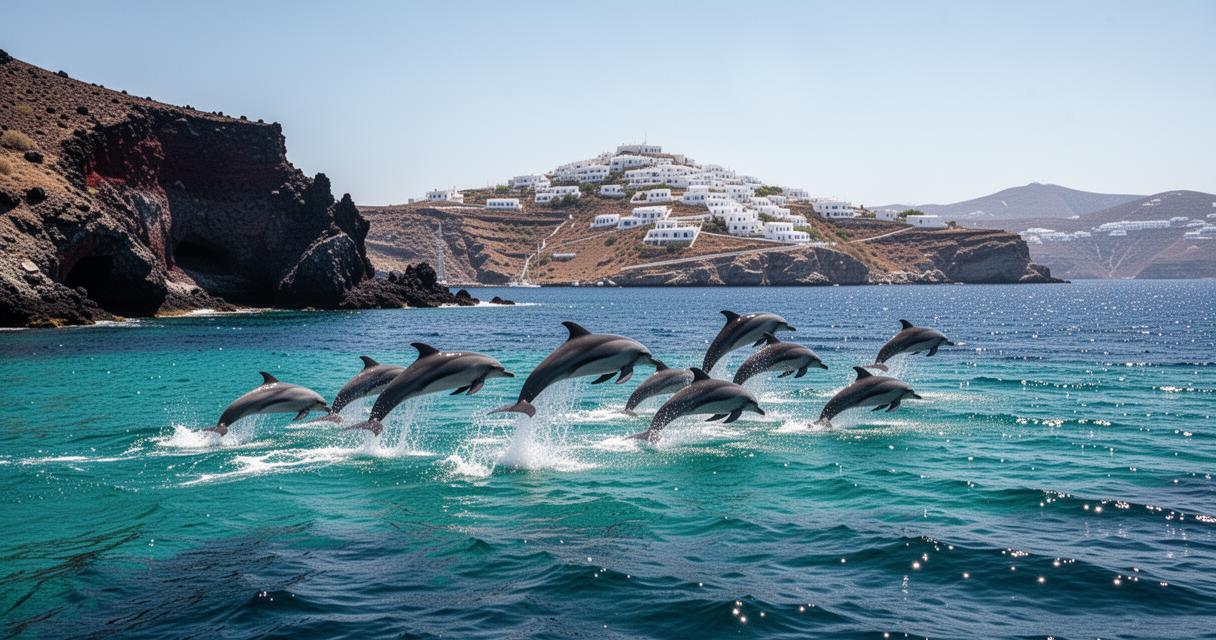
Warm, settled weather makes July an excellent month for heading out onto the water, with calmer seas and longer daylight hours improving your chances considerably. Dolphins tend to be more active and visible during the morning and late afternoon, when the water is generally flatter and boat traffic hasn’t yet stirred things up too much. Many operators report a high likelihood, often cited around ninety percent, of spotting wild dolphins on a given excursion, though naturally nothing in nature can ever be guaranteed. Beyond dolphins, keen-eyed travellers might also catch a glimpse of the Audouin’s gull, a vulnerable seabird measuring around half a metre with an impressive wingspan of over a metre, or the Mediterranean shag, a bird of least concern conservation status that skims low over the waves.
Top Islands and Locations for Dolphin Excursions in the Cyclades
Santorini, mykonos, naxos, and paros: prime dolphin watching destinations
Certain islands have built something of a reputation for reliable dolphin sightings, and Santorini, Mykonos, Naxos and Paros consistently rank among the favourites. Boats departing from these islands often venture into open channels where dolphins are known to travel in pods, sometimes surfacing playfully near the bow of a vessel. Each island brings its own character to the experience: Santorini’s dramatic caldera views, Mykonos’s lively harbour energy, Naxos’s quieter, more rugged coastline, and Paros’s relaxed charm all provide a distinctive backdrop to the marine spectacle unfolding on the water.
Guided Cruises and Boat Tours for Marine Life Enthusiasts
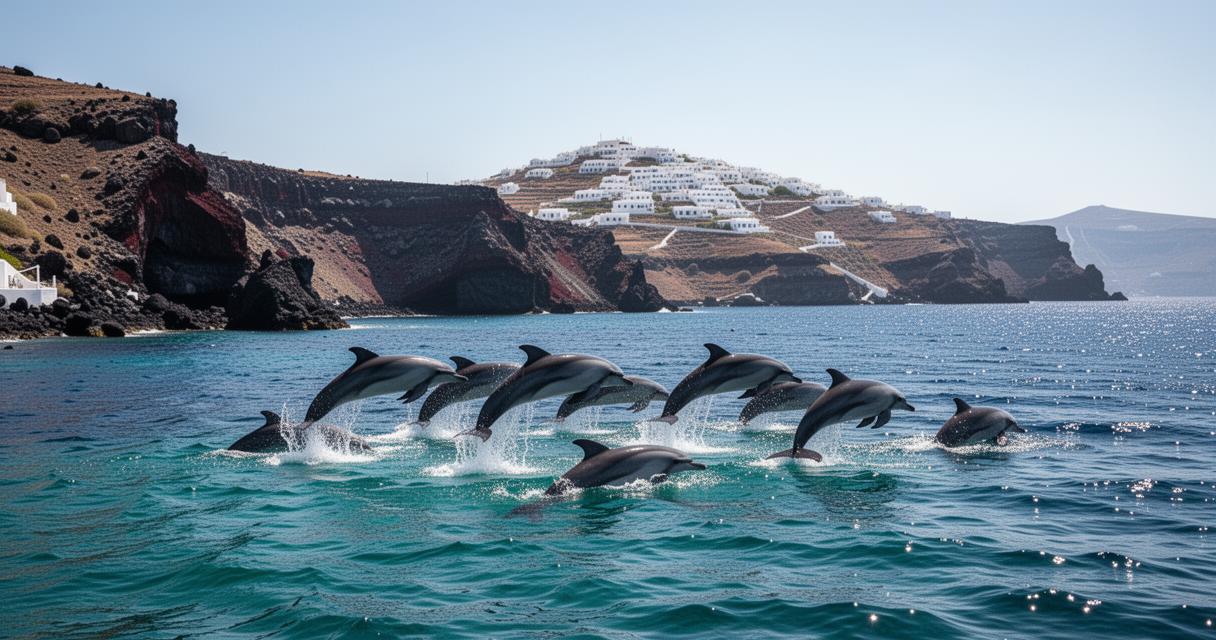
For a more structured encounter, dedicated wildlife tours provide expert guidance and a far greater understanding of what you’re seeing. One such excursion, a dolphin spotting and snorkelling tour around the Makri and Stroggyli Islets, runs for roughly three hours, with departures typically scheduled between ten in the morning and one in the afternoon, or from two until five in the afternoon. Guides conduct sessions in English, Greek, Dutch and German, ensuring the experience remains accessible to a broad range of visitors. The tour includes a briefing on dolphin behaviour, beginner-friendly snorkelling with all equipment supplied, snacks, and even underwater photographs to take home as a keepsake. Free cancellation up to twenty four hours beforehand adds welcome flexibility, and optional hotel pickup and drop-off, sometimes with a small additional fee depending on location, makes logistics considerably simpler. Past participants have consistently praised the knowledgeable guides and the genuine thrill of encountering marine life up close, a sentiment echoed across numerous reviews of the excursion.
Blending Marine Discovery with Cultural and Leisure Activities
Exploring ancient sites and beaches alongside dolphin watching
One of the great pleasures of a Cyclades holiday is how effortlessly wildlife encounters sit alongside cultural exploration. A morning spent watching dolphins can easily be followed by an afternoon wandering the ancient ruins of Delos, a short boat ride from Mykonos and steeped in mythology and history. Afterwards, there’s nothing quite like unwinding on one of the region’s postcard-perfect beaches, whether that’s the volcanic black sands near Santorini or the soft, pale stretches found around Naxos and Paros. This blend of nature, history and relaxation is precisely what makes the Cyclades such a compelling destination for curious travellers.
Planning your journey: ferry routes, departure points, and sunset experiences
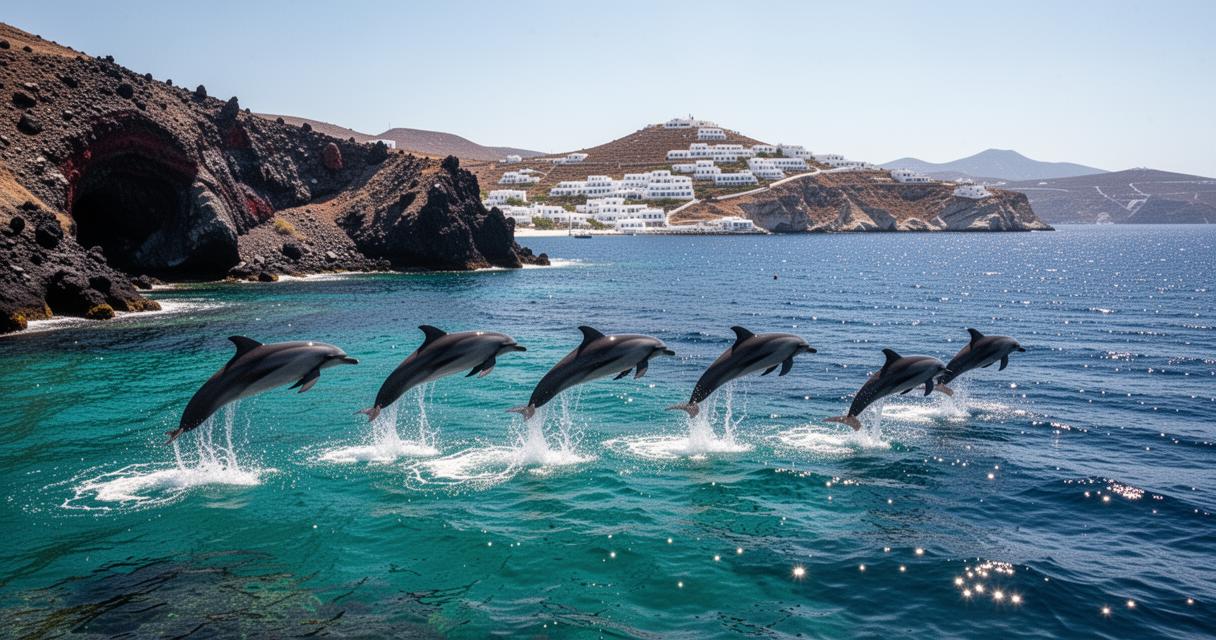
Getting between islands is straightforward thanks to frequent ferry connections linking the major Cycladic ports, making it easy to base yourself on one island while day-tripping to another for a dolphin excursion. For those exploring further afield, tours such as the one offered by Blutopia meet at their office in Kamiros Skala, open daily from nine in the morning until five in the evening, with enquiries welcomed by email. Beyond the wildlife itself, conservation remains a genuine priority across the region, with local organisations focused on marine protection, community education and plans to ban bottom trawling within marine protected areas by 2030. Rounding off a day on the water with a golden Aegean sunset, dolphins still fresh in your memory, is arguably one of the finest ways to experience the true spirit of the Cyclades.