
Embarking on the sacred journey of Umrah without the support of an agency might initially seem daunting, yet with thorough research and careful planning, it can become an immensely rewarding spiritual experience. Independent pilgrims have the unique opportunity to tailor every aspect of their pilgrimage according to their personal needs and devotional pace, allowing for a deeper connection with the rituals and a profound sense of spiritual fulfilment. By taking charge of your own preparations, you not only gain confidence and knowledge but also embrace the responsibility and privilege of organising a journey that holds such profound religious significance.
Essential Documentation and Travel Arrangements for Independent Umrah
The cornerstone of any successful pilgrimage lies in ensuring that all travel documentation is in order well before departure. For those travelling from the United Kingdom, securing a valid passport with at least six months remaining validity is absolutely essential. Beyond this, obtaining the Umrah visa is a critical step that requires attention to detail and timely application. It is advisable to check the specific requirements for your country, as regulations can vary and change, ensuring that you submit all necessary documents including vaccination certificates. The Meningitis ACWY vaccine is mandatory for all pilgrims, and it is also wise to consider the seasonal flu vaccine for added protection during your journey. Taking care of these details early will spare you unnecessary stress and allow you to focus on the spiritual aspects of your pilgrimage.
Securing your umrah visa and passport requirements
Navigating the visa application process independently requires patience and careful attention to the guidelines provided by Saudi authorities. Ensuring that your passport is up to date and meets the validity requirements is the first step. The Umrah visa application typically involves submitting proof of vaccination, particularly for Meningitis ACWY, alongside a completed application form and supporting documents. It is prudent to start this process several months in advance, especially if you are planning to perform Umrah during peak periods such as Ramadan when demand is exceptionally high. Being proactive in gathering all required paperwork and double-checking the accuracy of your submissions will significantly reduce the likelihood of delays or complications. Furthermore, consider purchasing travel insurance that covers emergencies and potential trip cancellations, providing you with peace of mind throughout your journey.
Booking Flights and Accommodation in Makkah and Madinah
Once your documentation is secured, the next major task is arranging your travel and accommodation. Booking flights independently allows you to choose times that best suit your schedule and budget, though it requires careful comparison of options to secure the best value. When planning your stay, it is essential to book accommodation in both Makkah and Madinah that balances comfort with proximity to the holy sites. Many pilgrims prefer hotels within walking distance of the Grand Mosque and Masjid e Nabwi to minimise travel time and maximise opportunities for worship. Researching reviews and comparing prices well in advance, ideally three to four months before your intended departure, will help you secure suitable lodging. Most Umrah packages typically last between seven to ten days, providing ample time to complete the rituals and engage in additional prayers and reflection. Planning your itinerary with flexibility in mind will allow you to adapt to the rhythm of your spiritual journey and make the most of your time in these sacred cities.
Understanding and Planning the Sacred Rituals of Umrah
Familiarising yourself with the rituals of Umrah is fundamental to ensuring that your pilgrimage is performed correctly and with the appropriate reverence. The rituals, though not as extensive as those of Hajj, are deeply symbolic and require both physical and spiritual preparation. Understanding each step, from entering the state of Ihram to completing the final act of Tahallul, will enable you to approach the pilgrimage with confidence and devotion. Taking the time to study the procedures and their meanings will enrich your experience and help you maintain focus and sincerity throughout your journey.
Step-by-step guide to performing umrah correctly
The Umrah pilgrimage begins with the declaration of intention, known as Nayyah, and the wearing of Ihram, the simple white garments that symbolise purity and equality before Allah. Upon entering the state of Ihram, pilgrims must adhere to specific conduct and restrictions, reflecting humility and devotion. The first major ritual is Tawaf, which involves circumambulating the Kaaba seven times in an anti-clockwise direction, a powerful act of worship that embodies the unity of believers around the sacred house of Allah. Following Tawaf, pilgrims proceed to Sa'i, walking seven times between the hills of Safa and Marwah, commemorating the perseverance and faith of Hagar. After completing Sa'i, the pilgrimage concludes with Taqsir or Halq, the cutting or shaving of the hair, which signifies purification and the completion of the pilgrimage. Each of these rituals carries profound spiritual significance, and performing them with mindfulness and sincerity is essential for a meaningful Umrah experience.
Creating a Practical Schedule for Your Spiritual Journey
Planning a practical schedule for your Umrah rituals helps ensure that you complete each step without undue haste or exhaustion. Typically, the core rituals of Umrah can be completed in three to five hours, though pilgrims often choose to spread their activities over several days to allow for additional prayers and reflection at the holy sites. It is beneficial to plan your schedule around the quieter times of day to avoid the largest crowds, particularly during peak seasons. Allocating time for rest and recuperation is equally important, as the pilgrimage can be physically demanding, involving considerable walking and standing. By creating a balanced itinerary that accommodates both the compulsory rituals and personal worship, you can maintain your energy and focus throughout your stay. Memorising relevant duas and supplications beforehand will enhance your spiritual experience, allowing you to engage more deeply with the rituals and express your devotion with greater ease and confidence.
Practical Preparations: Packing and Transportation in Saudi Arabia
Preparing the practical aspects of your pilgrimage, such as packing appropriately and understanding transportation options, is crucial for a comfortable and hassle-free experience. Thoughtful packing ensures that you have everything you need without overburdening yourself, while knowing how to navigate between the holy sites independently empowers you to manage your time and movements efficiently.
Essential Clothing and Items to Pack for Your Pilgrimage
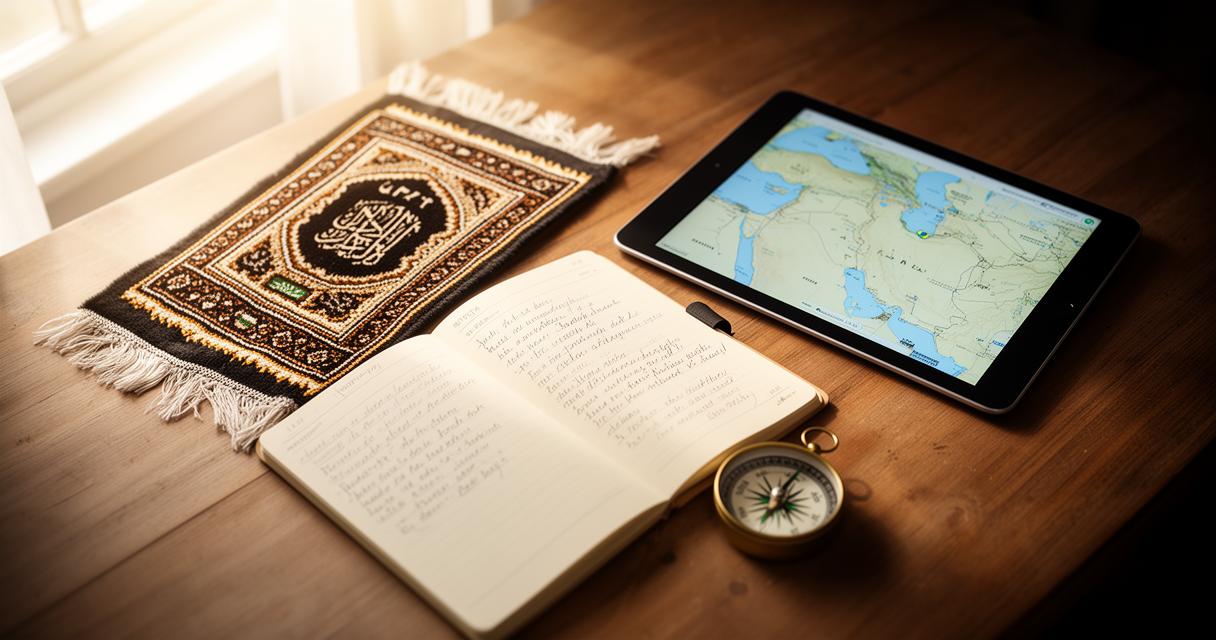
When packing for Umrah, simplicity and practicality should guide your choices. The Ihram clothing, consisting of two unstitched white cloths for men and modest attire for women, is the most important item to include. Comfortable footwear is essential, as the pilgrimage involves extensive walking on various surfaces, and it is advisable to bring sandals that are easy to remove when entering prayer areas. Hygiene items, including unscented toiletries, are necessary to maintain cleanliness while adhering to the restrictions of Ihram. Additionally, consider packing a small prayer mat, a Quran, a notebook for reflections, and any necessary medications. Travel essentials such as a money belt, copies of important documents, and a reusable water bottle will also prove invaluable. Packing light yet comprehensively will enable you to move freely and focus on the spiritual aspects of your journey without the distraction of managing excessive luggage.
Navigating transportation between holy sites independently
Understanding the transportation options available in Makkah and Madinah is vital for navigating the cities independently. Many pilgrims choose to walk between their accommodation and the Grand Mosque or Masjid e Nabwi, especially when staying nearby, as this allows for greater flexibility and connection with the surroundings. For longer distances or when travelling between cities, taxis and ride-sharing services are widely available and provide a convenient and affordable means of transport. Public buses also operate regularly and offer an economical option, though they may require some familiarity with routes and schedules. Familiarising yourself with the layout of the holy sites and the surrounding areas before your arrival will help you navigate with confidence and ease. Planning your daily movements in advance and allowing extra time for unexpected delays will ensure that you arrive at each ritual with a calm and focused mindset, ready to immerse yourself fully in the spiritual experience.