
Majorca has long captivated travellers with its sun-drenched beaches, vibrant culture, and welcoming atmosphere. For LGBTQ+ visitors, the island offers a blend of stunning natural beauty and progressive social attitudes that make it an appealing destination. However, like any travel experience, understanding local nuances and taking sensible precautions can significantly enhance both safety and enjoyment. This guide provides essential insights and practical advice to help gay travellers navigate Majorca with confidence and peace of mind.
Understanding LGBTQ+ Rights and Legal Protections in Majorca
Spain stands as one of the most progressive nations in the world regarding LGBTQ+ rights, and this inclusive ethos extends throughout its territories, including the Balearic island of Majorca. The country was among the pioneers in legalising same-sex marriage, joining a select group of nations that recognise marriage equality. Currently, there are 31 countries worldwide where same-sex marriage is legal, and Spain remains a shining example of legislative and social progress in this regard. This legal framework provides a solid foundation for LGBTQ+ travellers, offering protections against discrimination and affirming the rights of all individuals regardless of sexual orientation or gender identity.
Spain's Progressive LGBTQ+ Legislation and What It Means for Visitors
The legal landscape in Spain is notably favourable for LGBTQ+ individuals. Comprehensive anti-discrimination laws safeguard against prejudice in employment, housing, and public services. Moreover, Spain has implemented measures to ensure that gender markers on passports and official documents can be updated to reflect an individual's current identity, although travellers should be aware that not all countries recognise alternative gender markers such as 'X'. For visitors to Majorca, this means that the legal environment is supportive and that any instances of discrimination can be formally addressed through established channels. Understanding these protections can provide reassurance and a sense of security while exploring the island.
Local Attitudes Towards the LGBTQ+ Community in Majorca
Beyond the legal framework, the social climate in Majorca is generally open and accepting. The island attracts a diverse international crowd, and its cosmopolitan areas, particularly Palma, are known for their inclusive atmosphere. Locals are accustomed to welcoming LGBTQ+ visitors, and the tourism industry actively promotes diversity and equality. However, as with any destination, attitudes can vary between urban centres and more rural or traditional areas. While Palma and popular coastal resorts are typically very welcoming, smaller villages may reflect more conservative values. It is advisable for travellers to remain mindful of their surroundings and to exercise discretion in less familiar settings, particularly when it comes to public displays of affection. Despite these regional differences, Majorca overall ranks among the more tolerant destinations in Europe, with Spain itself featuring in the top ten most tolerant countries for LGBTQ+ individuals, alongside nations such as Iceland, Malta, Belgium, and Canada.
Navigating gay-friendly spaces and avoiding risky situations
Majorca offers a variety of spaces where LGBTQ+ travellers can feel comfortable and celebrated. Identifying these areas and establishments in advance can greatly enhance the travel experience and contribute to personal safety. Resources such as the International LGBTQ+ Travel Association provide directories of LGBTQ+ friendly tour operators and accommodation providers, which can be invaluable when planning a visit. Additionally, platforms like misterb&b specialise in LGBTQ+-friendly accommodations, connecting travellers with hosts who understand and respect the needs of the community.
Identifying safe neighbourhoods and lgbtq+ welcoming establishments
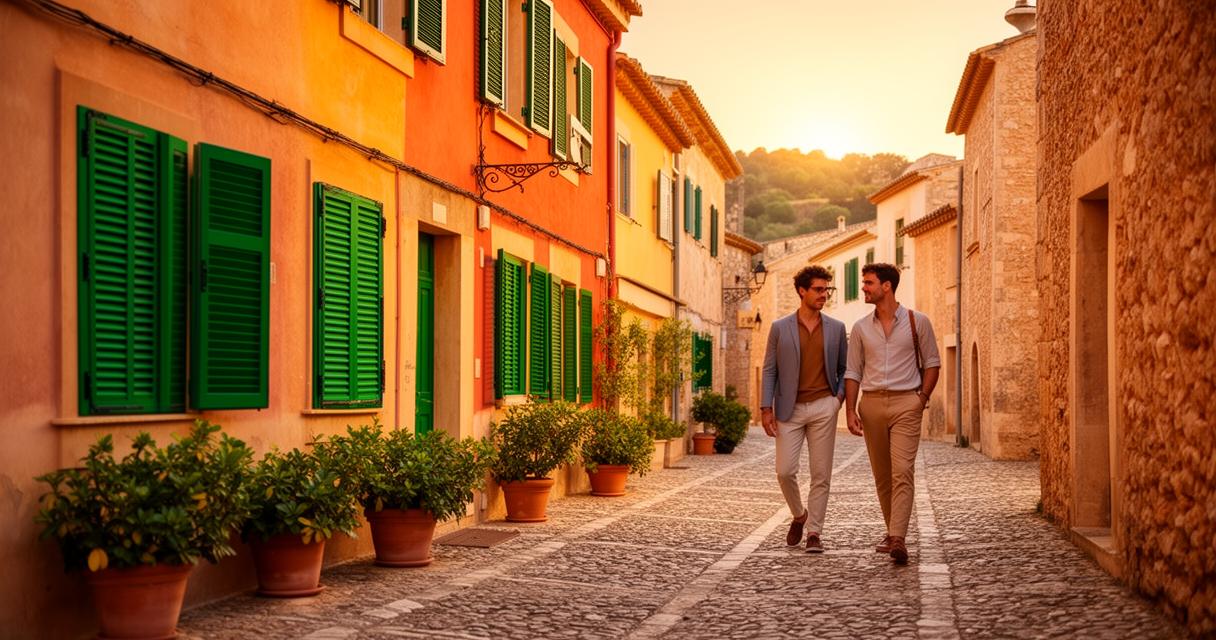
Palma, the island's capital, is the epicentre of LGBTQ+ life in Majorca. The city boasts a thriving gay scene with numerous bars, clubs, and restaurants that cater specifically to the community. The neighbourhoods around the old town and the Santa Catalina district are particularly known for their inclusive vibe and vibrant nightlife. Beyond Palma, certain beach resorts such as Playa de Palma and Cala Rajada have established reputations as gay-friendly destinations, with dedicated beach areas and events that celebrate diversity. Researching these locations before arrival and seeking recommendations from local LGBTQ+ communities can help travellers find spaces where they can relax and be themselves without concern.
Recognising and Responding to Potential Threats or Discrimination
While Majorca is generally safe, it is important to remain vigilant and aware of one's surroundings. Discrimination while travelling is an unfortunate reality for many LGBTQ+ individuals, with surveys indicating that 59 per cent of LGBTQ+ travellers have reported experiencing some form of prejudice during their journeys. Recognising the signs of potential hostility or discomfort is crucial. If you sense negativity or unwelcome attention, it is best to remove yourself from the situation calmly and seek out more welcoming environments. Avoiding confrontation and keeping a low profile in uncertain areas can prevent escalation. It is also wise to use discretion when using LGBTQ+ dating apps and social media, as these platforms can connect you with local cultures but may also pose risks in less accepting contexts. Always meet new acquaintances in public places and inform someone of your whereabouts.
Practical Safety Measures for LGBTQ+ Travellers in Majorca
Preparation and awareness are key components of a safe and enjoyable trip. Taking practical steps before and during your visit to Majorca can help mitigate risks and ensure that you have the support you need if challenges arise. This includes having access to emergency contacts, understanding local customs, and adopting sensible personal safety strategies.
Essential Emergency Contacts and Support Resources for Gay Visitors
Before travelling, it is essential to compile a list of emergency contacts and support resources. This should include the contact details for local LGBTQ+ organisations, the nearest embassy or consulate, and emergency services such as police and medical facilities. The International LGBTQ+ Travel Association offers resources for travel safety and planning, which can be a valuable reference. Additionally, securing comprehensive travel insurance is highly recommended. Providers such as World Nomads offer simple and flexible travel insurance that covers over 150 adventure activities and provides 24-hour emergency assistance. Having this coverage ensures that you are protected in the event of medical emergencies, trip cancellations, or other unforeseen circumstances. It is also advisable to register your travel plans with your home country's embassy or consulate, so that they can provide assistance if needed.
Personal safety strategies when exploring nightlife and public areas
Majorca's nightlife is a major draw for many visitors, and the island offers a range of venues from laid-back bars to energetic clubs. When exploring these spaces, it is important to stay alert and take sensible precautions. Avoid accepting drinks from strangers and keep an eye on your belongings at all times. Travelling in groups or with trusted friends can enhance safety, particularly late at night. In public areas, while Majorca is generally safe, it is prudent to be mindful of your behaviour and surroundings. In more conservative or rural areas, exercising discretion with public displays of affection can help avoid unwanted attention. Familiarise yourself with the layout of your accommodation and the surrounding neighbourhood, and have a plan for getting back safely after a night out. Using reputable taxi services or ride-sharing apps can provide a secure means of transport. By combining awareness with practical measures, LGBTQ+ travellers can enjoy all that Majorca has to offer whilst maintaining their personal safety and well-being.