

Indoor swimming pools have emerged as a coveted feature in contemporary residences, offering homeowners the freedom to enjoy aquatic leisure throughout the year without concern for unpredictable weather. These installations transform a house into a sanctuary of relaxation and fitness, providing a secluded retreat where one can swim, unwind, and exercise in complete privacy. As more families seek to enhance their living spaces with bespoke amenities, the indoor pool stands out as both a luxury statement and a practical investment, blending seamlessly with modern architectural trends and lifestyle aspirations.
Design and Construction Fundamentals for Indoor Swimming Pools
The journey toward creating an indoor swimming pool begins with thorough design and construction planning. This process demands collaboration among several key professionals, including a pool designer, an architect, and an interior designer. A well-chosen pool designer, ideally holding membership with SPATA, can provide invaluable guidance to the architect regarding structural feasibility and technical requirements. The architect, in turn, should utilise advanced 3D design software to visualise the space and address critical considerations such as drainage, waterproofing, and the separation of the pool area from other living spaces. Early involvement of an interior designer ensures that finishes, lighting, and overall aesthetics harmonise with the home's existing décor, creating a cohesive environment. For those who wish to maintain strict control over expenditure, engaging a quantity surveyor to estimate costs from the design phase can prevent budget overruns and ensure the project remains financially viable. It is not uncommon for professional fees to account for ten to twenty per cent of the total project cost, reflecting the complexity and expertise required.
Space planning and structural requirements
Determining the appropriate location and size for an indoor pool is a critical first step. The chosen space must accommodate not only the pool itself but also surrounding amenities such as changing areas, storage, and circulation zones. Structural assessments are essential to confirm that the building can support the additional load imposed by water, tiling, and associated equipment. Proper drainage systems and robust waterproofing measures are paramount to prevent moisture infiltration into adjoining rooms and to safeguard the building's integrity over time. Architects must carefully evaluate the existing framework and may need to recommend reinforcements or modifications to ensure the structure can safely house the pool. Thoughtful space planning also considers accessibility, natural light, and ventilation pathways, all of which contribute to a functional and inviting environment. This stage sets the foundation for a successful installation and is where the ultimate travel guide to indoor pool ownership truly begins, as homeowners explore the myriad possibilities for their aquatic haven.
Selecting the Right Materials: Tiles, Fibreglass, and Beyond
Material selection plays a pivotal role in both the aesthetic appeal and longevity of an indoor swimming pool. Traditional options such as mosaic tiles remain popular due to their versatility and timeless elegance, allowing for intricate patterns and colour schemes that personalise the space. Fibreglass offers a smooth, durable finish that requires minimal maintenance and can be moulded into various shapes, making it an attractive choice for modern designs. Beyond the pool basin itself, surfaces in the surrounding areas demand equal attention. High-performance materials such as Silestone, Dekton, and Sensa are increasingly utilised for kitchen worktops, bathroom surfaces, claddings, and even façades, bringing cohesion to the overall interior design. Silestone provides a versatile solution for worktops, sinks, and various bathroom applications, while Dekton extends its utility to floors, façades, and outdoor areas. Sensa similarly offers worktops and claddings suitable for furniture, ensuring that every element within the pool environment reflects quality and sophistication. The choice of materials should balance aesthetic desires with practical considerations such as slip resistance, ease of cleaning, and resilience to moisture and chlorine.
Essential Systems for Comfort and Maintenance
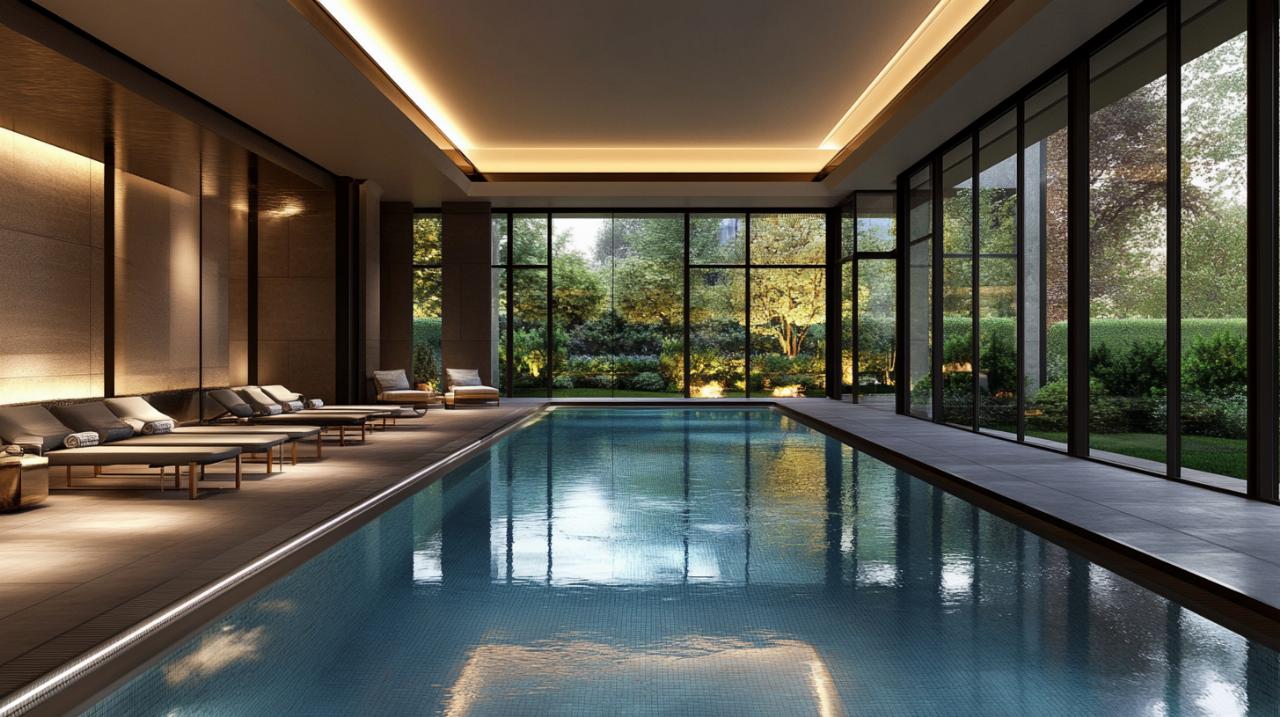
An indoor swimming pool is far more than a static body of water; it requires a suite of integrated systems to ensure comfort, hygiene, and year-round usability. Heating, ventilation, and humidity control are the cornerstones of a well-functioning indoor pool environment. Without these systems, the space can quickly become uncomfortable, prone to condensation, and challenging to maintain. Understanding the options available and their respective benefits is essential for homeowners who wish to enjoy their investment fully and sustainably.
Heating solutions: heat pump systems and alternative options
Maintaining a comfortable water temperature is crucial for maximising the enjoyment of an indoor pool, particularly during the colder months. Heat pump systems have become the preferred choice for many homeowners due to their energy efficiency and reliability. These systems work by extracting heat from the surrounding air or ground and transferring it to the pool water, offering a cost-effective solution that reduces long-term energy expenditure. Alternative heating options include electric heaters, gas boilers, and solar-assisted systems, each with its own advantages depending on the property's location, energy infrastructure, and environmental considerations. The selection of a heating system should take into account the pool's size, the desired water temperature, and the frequency of use. A well-designed heating solution not only enhances comfort but also contributes to the overall sustainability of the home by minimising energy waste.
Ventilation and Humidity Control for Year-Round Use
Effective ventilation and humidity control are indispensable for maintaining a healthy and pleasant indoor pool environment. Without adequate air circulation, moisture levels can rise rapidly, leading to condensation on windows, walls, and ceilings, which in turn can cause structural damage and encourage mould growth. Modern ventilation systems are designed to extract humid air and replace it with fresh, dehumidified air, thereby preserving indoor air quality and protecting the building fabric. These systems can be integrated with heating and cooling networks to optimise energy efficiency and maintain a stable climate throughout the year. The importance of these systems cannot be overstated, as they directly influence both the longevity of the pool installation and the comfort of its users. Homeowners should work closely with their design team to ensure that ventilation equipment is appropriately sized and strategically positioned, creating a seamless balance between functionality and aesthetics.
Indoor swimming pools represent a significant investment, with costs typically ranging from sixty thousand to one hundred and fifty thousand pounds, or approximately eight hundred to two thousand pounds per square metre. Despite the substantial initial outlay, they are generally easier to maintain than outdoor pools, as they are less exposed to debris, leaves, and weather-related contaminants. This reduced maintenance burden can translate into long-term savings on cleaning and chemical treatments. The design possibilities are virtually limitless, encompassing styles such as indoor spas, modern minimalist pools, midcentury-inspired spaces, domed ceiling installations, waterfall features, mood lighting effects, and rustic wood accents. Each style offers a unique ambience and can be tailored to reflect the homeowner's personal taste and the architectural character of the property. The process of designing and constructing an indoor pool is a collaborative endeavour that requires careful planning, budgeting, and attention to detail. With the right team of professionals and a clear vision, an indoor swimming pool can become the ultimate travel guide to luxury living within one's own home, offering endless opportunities for relaxation, fitness, and family enjoyment.