
Nestled in the heart of the Caribbean, Martinique offers travellers a unique blend of French sophistication and tropical allure, making it an ideal destination for those seeking both relaxation and adventure in 2025. As an overseas department of France and part of the European Union, this stunning island provides the convenience of using the euro and the familiarity of European standards, all while immersing visitors in vibrant Creole culture and breathtaking natural beauty. Whether you are drawn to the pristine beaches, the lush hiking trails, or the rich historical sites, selecting the right travel guide will ensure you make the most of your Martinique holiday while staying informed about essential health and safety considerations.
Discovering martinique's stunning beaches and coastal treasures
Martinique boasts some of the most diverse and captivating coastal landscapes in the Caribbean, where the island's volcanic origins meet the crystal-clear waters of the sea. The beaches here range from expansive stretches of powdery white sand to dramatic black sand coves, each offering a distinct atmosphere and experience. For travellers planning their 2025 visit, understanding the variety of shorelines available will help tailor the perfect itinerary to match personal preferences, whether that involves snorkelling in calm waters, exploring secluded bays, or simply lounging beneath swaying palm trees.
From Sainte-Luce to Caravelle: Your Guide to Paradise Coves
The southern coast of Martinique is home to some of the island's most famous and accessible beaches, with Sainte-Anne and Les Anses-d'Arlet standing out as must-visit destinations. Sainte-Anne is renowned for its charming village atmosphere, complete with colourful houses and a picturesque church, while its nearby beach offers calm, shallow waters ideal for families and those new to swimming in the Caribbean. Just a short drive away, Les Anses-d'Arlet presents a more laid-back vibe, with excellent opportunities for snorkelling at Anse Dufour and Anse Noire, where vibrant marine life thrives in the clear, warm sea. These twin coves are particularly special because they sit side by side, one featuring white sand and the other black sand, creating a striking visual contrast that is perfect for photography enthusiasts.
Venturing further along the coast, the Peninsula de la Caravelle offers a different kind of coastal experience, combining natural beauty with historical intrigue. This rugged peninsula is home to the Chateau Dubuc, a colonial-era estate that provides insight into Martinique's past, while the surrounding trails lead to windswept cliffs and secluded beaches. The area is ideal for backpackers and adventure seekers who want to explore off the beaten track, as the terrain is more challenging than the gentle southern beaches. For those who prefer a quieter escape, Grande Anse des Salines is often cited as one of the most beautiful beaches in the Caribbean, with its long stretch of white sand, calm waters, and lush vegetation providing a serene setting for a day of relaxation. The beach is well-maintained and accessible by car, making it a popular choice for both locals and visitors.
Black sand vs white sand: understanding martinique's unique shorelines
The island's volcanic heritage is most visibly expressed in its black sand beaches, which offer a stark and dramatic alternative to the classic Caribbean white sand experience. Anse Couleuvre, located on the northern coast, is a prime example of this phenomenon, where the dark, mineral-rich sand contrasts beautifully with the surrounding green rainforest and azure waters. This beach is less frequented by tourists, providing a sense of seclusion and tranquillity that is increasingly rare in popular destinations. However, visitors should be aware that the sea here can be rougher and the currents stronger, so it is advisable to exercise caution when swimming and to always check local conditions before entering the water.
In contrast, the white sand beaches of Martinique, such as Les Salines and Anse Figuier, offer a more traditional tropical paradise experience. Anse Figuier, in particular, is ideal for swimming, with its gentle slope into the sea and abundance of palm trees providing natural shade. The fine, soft sand and calm waters make it a favourite among families and those looking to unwind in a postcard-perfect setting. The difference between black and white sand beaches is not merely aesthetic; the black sand, formed from volcanic rock, tends to retain heat more than white sand, so it is wise to wear water shoes or sandals when walking on these beaches, especially during the midday sun. Both types of shorelines offer unique opportunities for swimming, snorkelling, and simply soaking in the natural beauty of Martinique, ensuring that every traveller can find their ideal coastal retreat.
Adventure and Nature: Hiking Mount Pelée and Exploring Waterfalls
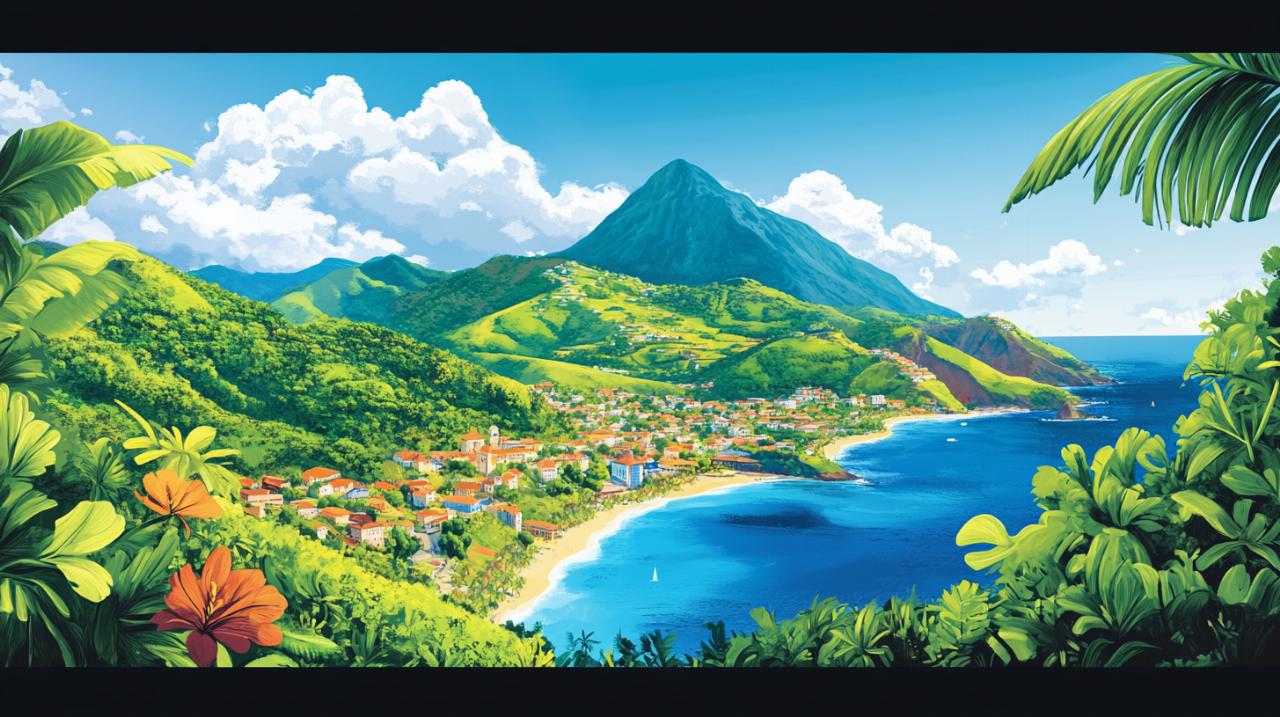
Beyond its beaches, Martinique is a haven for nature lovers and adventure enthusiasts, with its lush interior offering a wealth of hiking trails, hidden waterfalls, and opportunities to explore the island's volcanic landscape. The island's topography is dominated by Mount Pelée, an active volcano that last erupted in 1902, and whose presence has shaped both the geography and the history of Martinique. For those seeking a more active holiday, the hiking trails around Mount Pelée and the surrounding rainforests provide a thrilling contrast to the leisurely pace of beach life, while visits to local distilleries and cultural sites add depth to the travel experience.
Trekking mount pelée: essential safety tips for backpackers
Hiking Mount Pelée is one of the most rewarding activities available to visitors in Martinique, offering panoramic views of the island and the Caribbean Sea from its summit. The most popular trail begins near the village of Le Prêcheur and takes approximately three to four hours to complete, depending on fitness levels and weather conditions. The ascent is moderately challenging, with steep sections and uneven terrain that require sturdy footwear and a reasonable level of physical fitness. However, the effort is well worth it, as the summit provides a unique perspective on the island's volcanic origins and the surrounding landscape.
Safety is paramount when undertaking this hike, and travellers should come prepared with appropriate gear and knowledge. It is essential to start early in the morning to avoid the heat and potential afternoon clouds that can obscure visibility and make navigation more difficult. Carrying sufficient water is crucial, as there are no facilities along the trail, and a reusable water bottle is recommended to minimise environmental impact. Additionally, hikers should bring a hat, biodegradable sunscreen, and light long-sleeved clothing to protect against the sun, as well as a power bank to ensure mobile devices remain charged in case of emergency. Weather conditions can change rapidly, so checking forecasts before setting out is advisable, and it is always safer to hike in a group or inform someone of your plans if you choose to go alone. The trail is well-marked, but it is prudent to carry a map or download offline directions, as mobile signal can be unreliable in the mountainous interior.
Hidden Waterfalls and Distillery Visits: Off the Beaten Track Experiences
For those who prefer a gentler exploration of Martinique's natural wonders, the island is dotted with beautiful waterfalls that can be reached via shorter hikes through the rainforest. These cascades offer a refreshing escape from the heat and a chance to immerse oneself in the lush, tropical environment. While the exact locations of some of these waterfalls are closely guarded secrets among locals, asking at guesthouses or rental accommodations can often yield helpful tips and directions. The journey to these hidden gems is part of the adventure, with trails winding through dense vegetation, over wooden bridges, and alongside streams that eventually lead to the reward of a cool, natural pool.
In addition to natural attractions, a visit to one of Martinique's rum distilleries is a must for anyone interested in the island's cultural heritage and agricultural traditions. The Clement Distillery, located in the heart of the island, is one of the most prestigious producers of premium rum in Martinique and offers guided tours that provide insight into the rum-making process, from the cultivation of sugar cane to the final bottling. The estate also features a colonial museum housed in a beautifully preserved plantation house, where visitors can learn about the history of the island and its role in the global sugar and rum trade. Combining a distillery visit with a hike to a nearby waterfall creates a perfect day of exploration, blending physical activity with cultural enrichment and relaxation in a natural setting.
Practical information for your 2025 martinique holiday
Planning a successful trip to Martinique in 2025 requires attention to several practical details, from choosing the right accommodation and transportation to understanding the best times to visit and the necessary health precautions. As an overseas department of France, Martinique offers a level of infrastructure and services that is comparable to mainland Europe, which can be reassuring for travellers concerned about safety and convenience. However, being aware of local customs, language considerations, and logistical details will enhance the overall experience and ensure a smooth and enjoyable holiday.
Accommodation Guide: Choosing the Right Hotel and Rental Options
Martinique offers a wide range of accommodation options to suit every budget and preference, from simple studios and guesthouses to mid-range hotels with pools and sea views. For budget-conscious travellers, simple rooms or studio rentals can be found for between fifty and one hundred euros per night, while hostels offer even more affordable options starting at around twenty to forty euros. These budget accommodations are often located in residential areas or smaller villages, providing an authentic experience of local life and the opportunity to interact with residents. For those seeking a bit more comfort, mid-range properties with amenities such as swimming pools, air conditioning, and proximity to beaches typically start at around one hundred and twenty euros per night.
Booking accommodation in advance is recommended, especially during the peak season from December to April, when the island experiences its dry and sunny weather with temperatures ranging from twenty-five to thirty degrees Celsius. During this period, Martinique attracts a higher number of visitors, and availability can be limited. For those planning to explore multiple areas of the island, renting a car is essential, and many travellers find it convenient to book car hire alongside accommodation. Rental car options are readily available at the Martinique Aimé Césaire International Airport and in Fort-de-France, with prices starting at around forty euros per day. Full insurance is advisable, and some companies offer competitive rates for longer rental periods, making it more economical to secure a vehicle for the duration of your stay. Rental accommodations often provide parking and are situated near key attractions, making them a practical choice for independent travellers.
Saint-Pierre and Beyond: Cultural Insights and Health Precautions for Travellers
Saint-Pierre, once known as the Paris of the Caribbean, is a town steeped in history and culture, having been destroyed by the eruption of Mount Pelée in 1902. Today, it stands as a poignant reminder of the island's volcanic past, with ruins and museums offering insight into the catastrophic event and the vibrant life that once thrived there. Visiting Saint-Pierre provides a deeper understanding of Martinique's complex history and its resilience in the face of natural disaster. The town is also a great base for exploring the northern part of the island, with its rugged coastline, black sand beaches, and proximity to hiking trails.
In addition to cultural exploration, travellers should be mindful of health and safety considerations when visiting Martinique. As a French territory, the island adheres to European health standards, and tap water is generally safe to drink. However, it is always wise to stay hydrated, especially when engaging in outdoor activities such as hiking or spending extended periods on the beach. Biodegradable sunscreen is strongly recommended to protect both your skin and the marine environment, as conventional sunscreens can damage coral reefs and other aquatic ecosystems. Water shoes are useful for navigating rocky beaches and protecting against sea urchins, while a hat and light long-sleeved clothing provide additional protection from the sun.
Language is another important consideration, as French is the official language, and while English is spoken in some tourist areas, a basic knowledge of French phrases will greatly enhance communication and the overall travel experience. The local Creole culture is vibrant and welcoming, and making an effort to engage with locals in their language is often met with warmth and appreciation. For EU citizens, no visa is required for stays under ninety days, and only a valid passport or ID card is necessary. The island uses the euro, and European roaming tariffs apply, eliminating the need to purchase a local SIM card. These conveniences, combined with the island's safety record and reputation as a good value destination, make Martinique an attractive choice for solo travellers, families, and groups alike.
Whether you are drawn to the pristine beaches, the adventurous hiking trails, or the rich cultural heritage, Martinique offers a diverse and enriching travel experience that is both accessible and rewarding. By selecting the right travel guide and preparing with essential health and safety information, your 2025 holiday to this beautiful French Caribbean island will be both memorable and worry-free.