

The art of preserving wine has evolved significantly, moving beyond simple storage to embrace sophisticated technologies that ensure each bottle remains in pristine condition. For collectors and enthusiasts alike, maintaining the delicate balance of environmental factors within a wine cellar is paramount. Modern advancements in climate control have transformed how we protect our prized collections, allowing wines to mature gracefully and embark on new journeys towards their fullest potential. Understanding these techniques not only safeguards investment but also enhances the overall enjoyment of every vintage.
Precision temperature regulation systems for optimal wine storage
Achieving the ideal temperature for wine storage is a fundamental aspect of preservation, and contemporary systems have refined this process to an impressive degree. The consensus among experts remains that a steady environment around fifty-five degrees Fahrenheit, equivalent to thirteen degrees Celsius, provides the perfect conditions for both red and white wines. Red wines typically thrive when stored between fifty and fifty-nine degrees Fahrenheit, while white wines benefit from slightly cooler conditions ranging from forty-five to fifty degrees Fahrenheit. Fluctuations in temperature can lead to oxidation, which compromises the integrity of the wine, making consistency the cornerstone of effective climate control.
Smart thermostat integration and zoned cooling solutions
Modern wine cellars increasingly rely on smart thermostat integration to maintain precise temperature control. These intelligent systems allow for real-time monitoring and adjustments, ensuring that even the slightest deviation from the optimal range is corrected immediately. Zoned cooling solutions further enhance this capability by dividing larger storage spaces into distinct areas, each tailored to specific requirements. For instance, a collector might designate one zone for reds and another for whites, optimising the environment for each type without compromising the overall system. This level of customisation is particularly valuable for bespoke wine rooms and custom wine walls, where design and functionality must coexist seamlessly.
The flexibility offered by zoned cooling extends to various installation types, including split systems and ducted systems. Split systems, which separate the condenser and evaporator units, are particularly effective for medium to large cellars, providing robust cooling with reduced noise levels. Ducted systems, on the other hand, distribute air through a network of ducts, ensuring quiet operation and even temperature distribution across expansive spaces. Through-the-wall units offer an accessible solution for smaller wine rooms, combining ease of installation with reliable performance. Each system type addresses different spatial and acoustic requirements, enabling homeowners to select the most appropriate technology for their unique circumstances.
Advanced refrigeration technologies and thermal insulation methods
The evolution of refrigeration technologies has introduced eco-friendly alternatives that prioritise sustainability without sacrificing performance. Split E-Cool systems, for example, utilise distilled water instead of traditional refrigerants, reducing environmental impact while maintaining optimal conditions for wine preservation. These systems represent a forward-thinking approach to climate control, appealing to those who value both quality and ecological responsibility. Additionally, self-contained cooling units remain a popular choice for smaller cellars due to their compact design and affordability, offering a practical solution for collectors with limited space.
Thermal insulation plays an equally critical role in maximising the efficiency of any cooling system. Proper insulation with high R-values ensures that temperature regulation remains consistent while minimising energy consumption. Walls should ideally feature R-19 insulation, ceilings require R-30 or higher, and floors benefit from R-10 insulation. These standards are essential for preventing heat transfer and maintaining the stable environment that wines demand. Without adequate insulation, even the most advanced cooling systems struggle to perform effectively, leading to increased energy costs and potential fluctuations that jeopardise wine quality.
Sophisticated humidity control and environmental monitoring
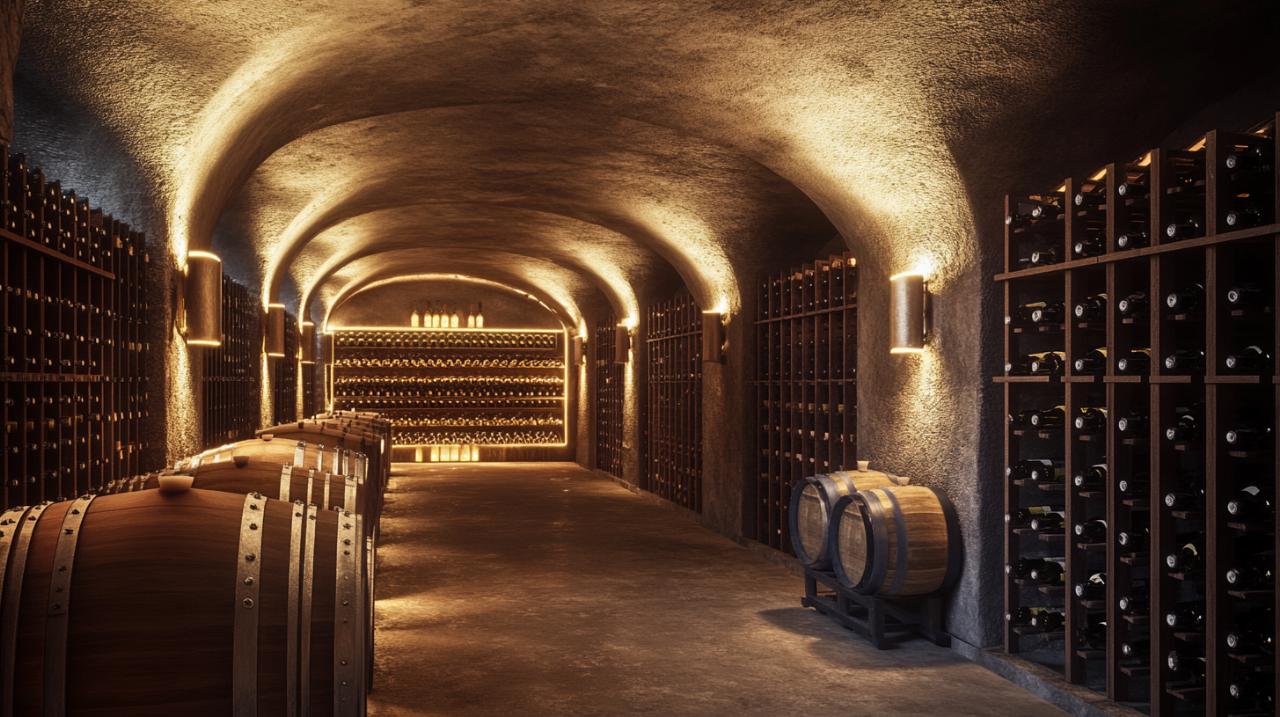
Beyond temperature, humidity control stands as a vital component of wine cellar preservation. Maintaining humidity levels between fifty and seventy percent, with an ideal target of sixty to sixty-five percent, protects corks from drying out while preventing mould growth on labels and wooden wine racks. Corks that lose moisture can allow air to seep into bottles, accelerating oxidation and spoiling the wine. Conversely, excessive humidity fosters mould and mildew, which can damage labels and compromise the aesthetic appeal of a collection. Balancing these factors requires both automated systems and vigilant monitoring.
Automated humidification systems and moisture balance strategies
Automated humidification systems have become indispensable in modern wine cellars, offering precise control over moisture levels without the need for constant manual intervention. These systems use sensors to detect deviations from the desired range and adjust humidity accordingly, ensuring that corks remain supple and labels intact. For larger installations, such as basement conversions or commercial refrigeration spaces, automated solutions provide the reliability necessary to protect extensive collections. The integration of these systems with broader climate control infrastructure creates a cohesive environment where temperature and humidity work in harmony.
Moisture balance strategies also involve careful consideration of air circulation and condensation control. Inadequate air circulation can lead to pockets of stagnant air, where humidity may vary unpredictably, while excessive airflow can dry out corks prematurely. Striking the right balance requires professional expertise, particularly during the design and installation phases. Bespoke wine storage solutions often incorporate customised air circulation patterns that suit the specific layout and capacity of the cellar, ensuring that every bottle receives consistent care. This attention to detail distinguishes truly exceptional wine rooms from merely functional ones.
Digital sensors and real-time climate data analytics
The advent of digital sensors and real-time climate data analytics has revolutionised how collectors monitor their cellars. These devices provide continuous feedback on temperature and humidity, tracking trends over time and sending alerts if conditions drift outside acceptable parameters. This proactive approach enables swift intervention before any damage occurs, offering peace of mind for collectors who invest heavily in rare and valuable vintages. Monitoring systems can be integrated with smartphone applications, allowing remote oversight even when homeowners are away from their properties.
Professional installation and maintenance services further enhance the reliability of these monitoring solutions. Regular filter cleaning, refrigerant level checks, and leak inspections form the foundation of preventative maintenance, ensuring that systems operate at peak efficiency. Over time, neglecting these tasks can lead to costly repairs and compromised storage conditions, underscoring the importance of professional servicing. Many providers offer comprehensive maintenance packages tailored to both residential solutions and commercial refrigeration needs, supporting long-term performance and customer satisfaction.
In conclusion, advanced climate control techniques for wine cellar preservation encompass a sophisticated blend of temperature regulation, humidity management, and cutting-edge monitoring technologies. By embracing smart thermostat integration, zoned cooling, advanced refrigeration, and automated humidification, collectors can create optimal conditions that protect their investments and enhance the ageing process. The emphasis on proper insulation, air circulation, and real-time data analytics ensures that every bottle remains in perfect condition, ready to deliver its full complexity and character. Whether designing a traditional cellar, a modern glass wine cellar, or a custom wine room, prioritising these advanced techniques guarantees that wines will mature gracefully and continue to embark on new journeys of flavour and refinement.