
Across the rolling vineyards of Provence, the lavender fields of the Luberon, and the rustic farmsteads dotted throughout the French countryside, a quiet revolution in travel is taking place. Volunteers from around the globe are discovering that exploring France need not drain their savings or confine them to the well-trodden tourist path. Through platforms like HelpX, travellers are exchanging their skills and labour for accommodation, forging genuine connections with local hosts while immersing themselves in authentic French life. This approach to travel offers more than just cost savings; it provides a window into the daily rhythms, traditions, and communities that define rural and regional France.
Understanding helpx opportunities across france
The HelpX work exchange programme has become an increasingly popular option for those seeking meaningful travel experiences in France. At its core, the system is elegantly simple: volunteers offer their time, energy, and expertise to hosts in exchange for a place to sleep and often meals as well. This arrangement allows travellers to extend their stays far beyond what their budget might otherwise permit, while hosts receive valuable assistance with projects ranging from organic farming to renovation work. The platform connects individuals with a diverse array of opportunities, enabling adventurers to craft itineraries that align with their interests and skills while discovering corners of France that remain largely unknown to conventional tourists.
What Makes France an Ideal Destination for Skill Exchange Programmes
France presents a particularly fertile ground for volunteer hosting experiences due to its varied landscape of cultural, agricultural, and artisanal traditions. The country's strong emphasis on sustainable living and organic production has created a thriving community of hosts eager to share their knowledge with willing learners. From the sun-drenched Mediterranean coast to the verdant valleys of Normandy, opportunities abound for those interested in wwoofing and similar agricultural exchanges. Beyond farming, hosts seek assistance with everything from language tutoring to creative projects, making France an attractive destination for volunteers with diverse skill sets. The French appreciation for slow living and meaningful conversation creates an environment where cultural exchange flourishes naturally, transforming what might be a simple work arrangement into a profound personal journey.
Navigating working holiday visas and travel insurance requirements
Before embarking on a French adventure through accommodation exchange programmes, travellers must address practical considerations that can make or break their experience. For citizens of countries including Australia and New Zealand, the Working Holiday Visa provides legal authorization to combine travel with occasional work, though volunteers should verify that their specific arrangement complies with visa conditions. Travel insurance stands as an essential safeguard, protecting against unforeseen circumstances that could otherwise derail plans or create financial hardship. Medical emergencies, travel disruptions, or even conflicts with hosts can arise unexpectedly, making comprehensive coverage not merely advisable but critical. Prospective volunteers should carefully review policy details to ensure their chosen insurance adequately covers the nature of their activities and the duration of their stay.
Real volunteer experiences: from wwoofing to fruit picking
The blog Wandering Footsteps documents a family's journey around the world and offers invaluable insights into the realities of the work exchange lifestyle from both sides of the equation. The author discusses their experience as hosts through HelpX, a work exchange programme that connected them with three American volunteers during their own travels. They hosted a philosopher, an anarchist, and a carpenter named A.J., each bringing distinct personalities and perspectives to the encounter. The volunteers presented a diverse range of personalities and subcultures, challenging preconceptions and creating opportunities for genuine cultural exchange. A.J. stayed for eleven days, contributing valuable carpentry skills to build furniture for their bus conversion project, demonstrating how the right match between host needs and volunteer abilities can create mutually beneficial arrangements.
Organic Farming and Agricultural Exchanges in the French Countryside
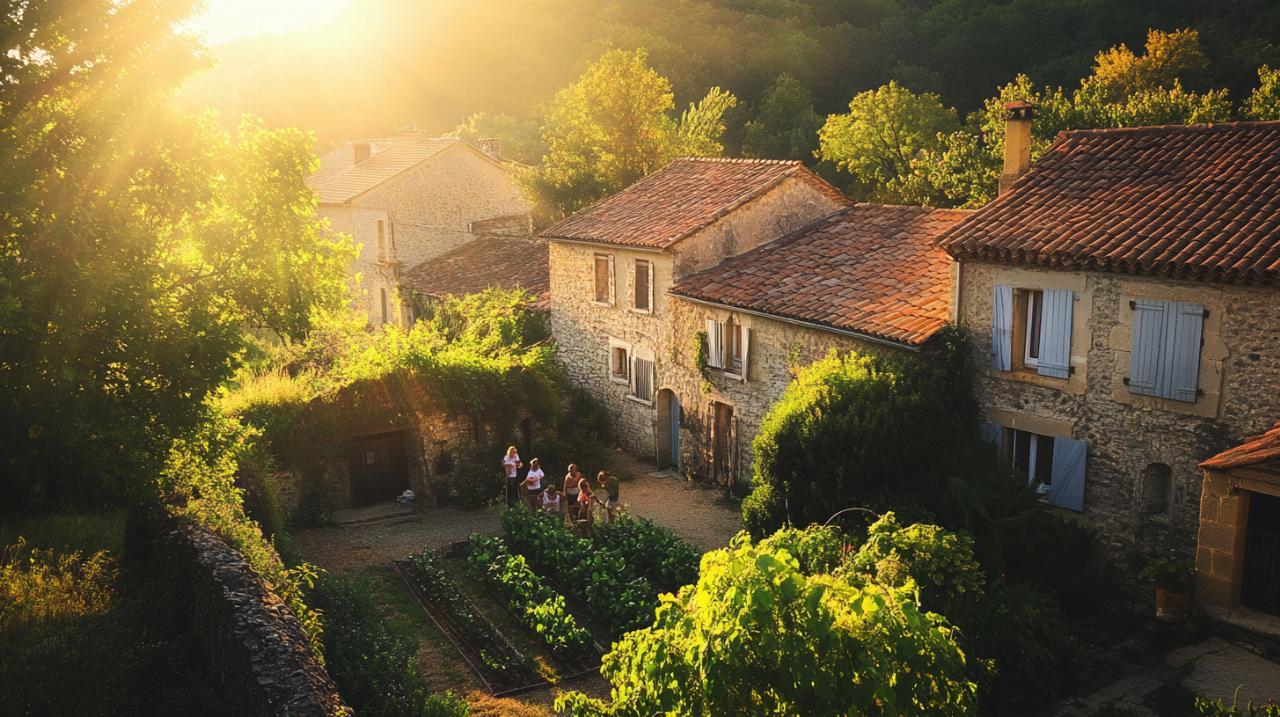
Agricultural volunteering represents one of the most popular pathways for experiencing rural France through help exchange programs. Organic farms across the country welcome volunteers to participate in seasonal activities such as fruit picking, vegetable cultivation, and animal husbandry. These placements offer more than just physical work; they provide immersion in sustainable practices and traditional methods that have sustained French agriculture for generations. Volunteers often find themselves learning techniques passed down through families, sharing meals prepared from freshly harvested ingredients, and gaining appreciation for the dedication required to maintain organic certification standards. The experience typically includes accommodation in converted farm buildings, guesthouses, or occasionally private rooms within the family home, with meals that showcase regional cuisine and seasonal abundance.
Finding the Right Host Through Youth Hostels and Online Platforms
Identifying suitable hosts requires careful research and honest self-assessment of one's capabilities and expectations. While online platforms provide the primary means of connection, travellers can also discover opportunities through youth hostels, community notice boards, and word-of-mouth recommendations from fellow adventurers. Reading reviews from previous volunteers offers crucial insights into host personalities, working conditions, and the accuracy of opportunity descriptions. The author of Wandering Footsteps emphasised the importance of clear expectations and open communication, noting that misunderstandings about work hours, task difficulty, and living arrangements can quickly sour what should be positive experiences. Prospective volunteers should engage in thorough correspondence before committing, asking specific questions about daily routines, privacy arrangements, and the nature of tasks to be performed. This diligence helps ensure alignment between what hosts offer and what volunteers seek, minimizing the potential for disappointment or conflict.
Planning your french adventure: practical tips for help exchange travellers
Successful volunteer experiences in France require more than simply signing up for the first available opportunity. Thoughtful preparation transforms a series of work exchanges into a coherent journey that balances labour with exploration, skill development with cultural immersion. Positives of hosting included cultural exchanges and assistance with the bus conversion, demonstrating how well-matched placements create value for both parties. However, negatives included loss of privacy, the pressure of cooking, and occasional conflicts, reminding volunteers that they too must adapt to shared living spaces and the rhythms of their hosts' lives. These realities underscore the need for flexible attitudes and realistic expectations when embarking on this style of travel.
Building connections and mapping your road trip itinerary
For those planning a road trip through France while engaging in help exchange work, strategic planning proves essential. Rather than committing to extended stays in a single location, many volunteers structure their journey around shorter placements of one to two weeks, allowing them to experience different regions while maintaining forward momentum. This approach requires coordinating arrival and departure dates with hosts, factoring in travel time between locations, and building flexibility into schedules to accommodate weather, mechanical issues, or simply the desire to linger when a place proves especially captivating. Communication issues arose, especially with A.J., leading to misunderstandings about expectations, a cautionary tale that highlights the importance of maintaining open dialogue throughout each placement. Building genuine connections with hosts and fellow volunteers often yields unexpected opportunities, from invitations to local festivals to recommendations for undiscovered gems along your route.
Cost-Effective Travel Strategies for Australians and New Zealanders
For individuals in Australia or New Zealand, travelling to France opens a world of new connections and opportunities, though the initial expense of reaching Europe can seem daunting. Help exchange programmes dramatically reduce ongoing costs once travellers arrive, as accommodation and often meals are provided in exchange for work. This arrangement allows adventurers to stretch modest savings across months rather than weeks, transforming what might be a brief holiday into an extended exploration. Beyond the direct savings on accommodation, volunteers often find that living with hosts reduces expenditure on dining out, as shared meals become part of the cultural exchange. The author reflects on the sacrifices and compromises made while hosting volunteers, noting that both hosts and volunteers must navigate the complexities of shared spaces and differing habits. They are undecided about hosting again, leaning towards becoming a HelpX volunteer instead, a perspective shift that acknowledges the distinct appeals and challenges of each role. For those committed to extended travel on limited budgets, the work exchange model offers a sustainable path forward, provided travellers approach opportunities with realistic expectations and genuine enthusiasm for the work exchange lifestyle.