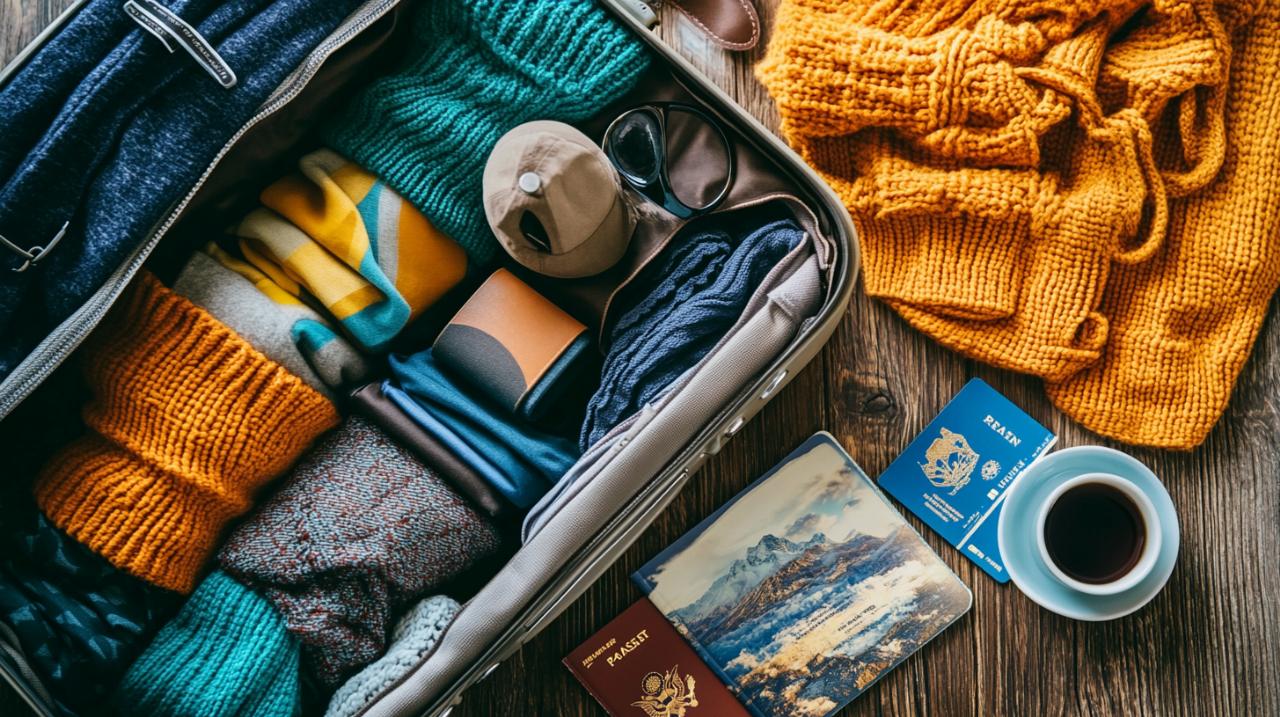

Preparing for a journey can often feel overwhelming, but with a thoughtful approach and clever organisation, the process becomes far more manageable and even enjoyable. Whether you're heading off on a quick weekend break or embarking on an extended adventure, mastering the art of efficient packing transforms your travel experience from stressful to seamless. By adopting strategic methods and understanding what truly matters for your trip, you'll arrive at your destination relaxed and ready to explore.
Strategic planning before you pack
Success in packing begins long before you open your suitcase. Taking the time to plan properly ensures you bring everything necessary whilst avoiding the common pitfall of overpacking. The foundation of brilliant packing lies in preparation and understanding precisely what your journey demands.
Creating your essential travel checklist
Developing a comprehensive travel checklist serves as your roadmap to organised packing. Rather than scrambling at the last minute, consider creating a reusable list that you can adapt for different types of trips. This approach not only saves time but also reduces the anxiety that often accompanies travel preparation. Start your checklist at least a week before departure, giving yourself ample opportunity to acquire any items you might be missing. Planning your outfits in advance proves invaluable, allowing you to visualise your entire wardrobe for the trip. Consider photographing potential outfit combinations so you can make quick decisions whilst away without second-guessing your choices. When incorporating packing tips for voyage planning, think about creating a colour palette that allows garments to work together harmoniously. Neutral tones such as black, navy and beige form an excellent foundation, enabling you to mix and match pieces effortlessly throughout your journey. This capsule wardrobe approach means fewer items overall whilst maintaining variety in your daily appearance. Remember to account for the activities you've planned, whether that's business meetings requiring formal attire or countryside rambles needing practical layers.
Understanding your destination's requirements
Before finalising your packing list, thoroughly research your destination's specific conditions and requirements. Weather patterns vary considerably, and what seems appropriate for one location might be entirely unsuitable for another. Check forecasts for the entire duration of your stay rather than just departure day, as conditions can shift dramatically. Beyond weather, consider cultural expectations regarding dress codes, particularly if visiting religious sites or attending formal events. Understanding airline luggage requirements prevents costly surprises at check-in. Each carrier maintains specific dimensions and weight restrictions for both checked baggage and carry-on items. Air Canada, for instance, permits carry-on luggage measuring fifty-five centimetres by twenty-three centimetres by forty centimetres. Knowing these specifications beforehand allows you to select appropriate luggage and pack accordingly. If possible, travelling with only carry-on baggage eliminates waiting at baggage carousels and reduces the risk of lost luggage. For this approach, consider using a spacious tote or weekender bag as your personal item, maximising your allowance whilst maintaining manoeuvrability through airports and train stations.
Maximising luggage space through smart techniques
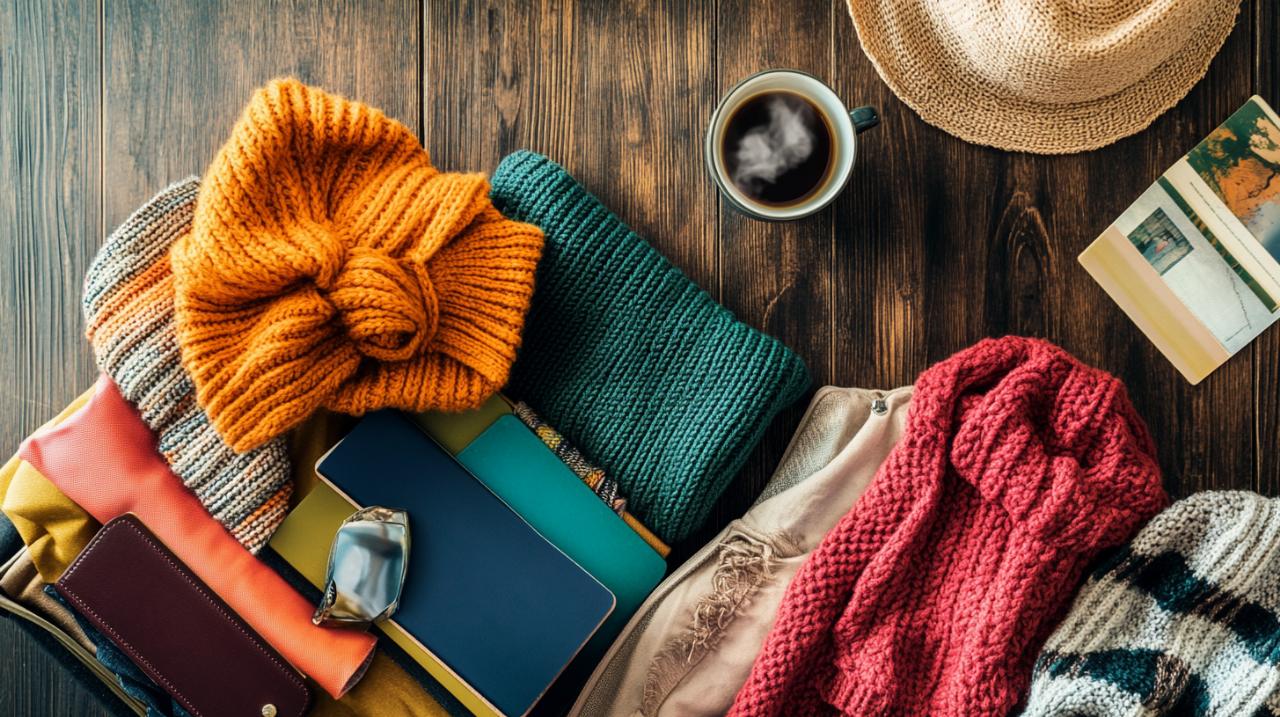
Once you've planned what to bring, the next challenge involves fitting everything efficiently into your luggage. Smart packing techniques make remarkable differences in how much you can carry whilst keeping items organised and accessible throughout your journey.
The rolling method: a space-saving revolution
Rolling clothes rather than folding them represents one of the most effective space-saving strategies available to travellers. This technique not only creates more room in your suitcase but also helps prevent wrinkles in many fabric types. When rolling garments, start with heavier items such as jeans and trousers, placing them at the bottom of your case where wheels are located. This positioning creates a stable base and keeps the centre of gravity low, making your luggage easier to manoeuvre. Lighter items like t-shirts and undergarments roll compactly and fit neatly into remaining gaps. For dresses, consider laying them flat across the top of your packed suitcase to maintain their shape and minimise creasing. Quick-dry underwear proves particularly valuable, as you can wash items in your accommodation and have them ready for the next day, significantly reducing the quantity needed. When selecting shoes, limit yourself to three pairs maximum. Wear your bulkiest footwear during travel to save precious suitcase space. The shoes you pack can serve double duty as storage containers themselves. Tuck socks, delicate jewellery or small electronics inside shoes to maximise every centimetre whilst providing protection for fragile items. Beach hats, often awkward to pack, can be stored flat in your case with socks stuffed inside to maintain their shape.
Utilising packing cubes for brilliant organisation
Packing cubes have revolutionised travel organisation, transforming chaotic suitcases into orderly systems. These lightweight fabric containers compartmentalise your belongings, making items easy to locate without unpacking everything. Compression packing cubes offer additional benefits, allowing you to squeeze air from clothing and reduce volume significantly. This proves especially effective for bulky items like trousers, shorts and jumpers. Organise cubes by outfit rather than garment type for ultimate efficiency. Assign one cube to each day's clothing or group items by activity type such as business attire, casual wear or evening outfits. This method means you can simply grab the appropriate cube each morning without rummaging through your entire case. Mesh bags serve admirably for jewellery and loose accessories, keeping small items contained and visible. Travel-sized toiletries deserve their own dedicated bag rather than loose ziplock pouches. Purpose-built toiletry bags often include hooks for hanging in cramped bathroom spaces and clear compartments that simplify security checks. Avoid packing full-sized bottles that add unnecessary weight and occupy valuable space. Solid alternatives to liquid products, such as shampoo bars and solid perfumes, eliminate spillage concerns whilst complying with liquid restrictions. Leave certain items at home entirely. Most accommodations provide hairdryers, and umbrellas can typically be purchased inexpensively at your destination if needed. Instead, reserve luggage space for items you genuinely cannot obtain elsewhere. Keep your carry-on bag stocked with essentials including a change of clothes, valuable items, important documents and any medications. This precaution protects you should checked luggage go astray. Consider adding a tracking device to checked bags for peace of mind and easier recovery if misplaced. An unobtrusive crossbody bag serves well for daily excursions, keeping hands free whilst securing passports, cash and phones against your body. Remember to leave some room in your suitcase for souvenirs and purchases made during your travels. A luggage scale, costing approximately ten pounds, helps avoid expensive overweight baggage fees at the airport. Finally, don't forget to arrange travel insurance before departure, providing protection against unforeseen circumstances that might disrupt your carefully planned journey. Pack a small medical kit with basic supplies including cold medicine and sunscreen, ensuring you're prepared for minor health concerns without needing to locate pharmacies in unfamiliar locations.